9/07/2006
BRIDGING THE GAP
Corona man vows to educate others and clarify misperceptions of Muslims
By MONA SHADIA, Staff Writer
Inland Valley Daily Bulletin
On the morning of Sept. 11, 2001, Hussam Ayloush found himself at square one. The Corona resident was one of the founders of the Southern California Council on American Islamic Relations, and had spent years working to clarify misperceptions about Islam.
Before Sept. 11, some people knew about Islam and respected it, he said, but those who didn't, didn't feel it affected them.
Before Sept. 11, Ayloush said, ‘‘Muslims were misunderstood, but not feared.''
Then, on Sept. 11, 2001, four airplanes were hijacked by extremists; one crash landed in the fields of Pennsylvania, one destroyed part of the Pentagon in Washington, D.C., and two flew into the World Trade Center twin towers, leveling the architectural wonders and killing thousands.
‘‘I think America passed a test that many countries wouldn't have passed,'' Ayloush said. ‘‘People took a deep breath, and didn't say, ‘Kill Muslims.''
He admitted there were shows of violence -- some mosques were vandalized and Muslims attacked -- but, in other countries, he said, the reaction would have been much more savage.
Ayloush said America's shift was a more subtle, psychological change.
‘‘There's no doubt that there is a minority of Muslim extremists with a very narrow interpretation and it's also rejected by the overwhelming majority of Muslims,'' Ayloush said. ‘‘Here are (also) ideological or political extremists in America who speak in the same language and who fuel the concept of a clash of civilization.''
Tahra Goraya, president of CAIR southern California said, since Sept. 11, the organization's goals of educating the public and encouraging dialogue in the community have become even more vital.
‘‘CAIR's focus pre-9/11 was mainly to educate Americans about Islam and Muslims and we found ourselves having to redouble our efforts after 9/11,'' she said. ‘‘In many ways, it felt like we had to start all over in dispelling misconceptions; we found ourselves working overtime.''
‘‘As a result CAIR Southern California, under the great leadership of Hussam, has been able to successfully build bridges of understanding and dialogue by taking a multisector approach through partnerships with law enforcement, interfaith communities, civil rights advocates, and the media.''
This cooperation is vital, she said, to the CAIR reaching it's goals.
‘‘It is only by working together that we can achieve greater acceptance and understanding of each other in our society, and to that end, CAIR has been diligently advocating and working to accomplish greater understanding of not only American Muslims but all people,'' she said.
When Ayloush came the United States, he said, it was with plans to get a college education and then go back to his country to do his part to help rebuild it.
Born and raised in Beirut, Lebanon, Ayloush grew up in a large Muslim family that was diverse, with interfaith marriages bringing Christian and Jewish families into the mix.
His childhood spanned the civil war in Lebanon. By the end of the war, he was 18 years old, ready to graduate from high school and start college.
‘‘It was tough, you don't live your childhood. Most of us didn't see most of Lebanon until the end of the civil war,'' Ayloush said. ‘‘As kids, it didn't bother us, we thought this is life.''
He came to the United States to attend the University of Texas' school of aerospace engineering. During college, Ayloush lived with an American family. He said the thing that struck him was how alike his family in Lebanon and this American family were.
‘‘They were nothing different from my own family. It was my first eye-opener -- people could be the same,'' he said.
When faced with questions about Islam in college, he said he felt the questions were legitimate and he needed to research them and give the proper answers.
Quickly, Ayloush's goals changed. He was no longer working with the sole purpose of graduating and moving back to Lebanon -- that had changed as he began to develop a bond with Americans. Now he wanted to help dispel misperceptions and bridge the gap that exists between his culture and the American culture.
‘‘Home is where you feel at home. I feel at home,'' said Ayloush, who joined the Muslim Student Union in college and began working in the community to break down communication barriers between Muslims and non-Muslims..
After moving to California with his wife and ‘‘soulmate,'' Arwa, with whom he now has a son, two girls and one girl on the way, Ayloush started graduate school at Cal State Fullerton, but he continued the work he had begun in Texas, speaking about Islam in churches and synagogues and giving sermons at mosques.
When he and some friends heard about a newly formed organization focused on enhancing the understanding of Islam in the United States, he knew he was meant to be involved.
Now, CAIR is the largest nonprofit Muslim civil rights organization in North America, with chapters around the United States, and Canada. CAIR's mission, according to its Web site, is ‘‘to enhance understanding of Islam, encourage dialogue, protect civil liberties, empower American Muslims, and build coalitions that promote justice and mutual understanding.''
When the Southern California chapter had grown to the point of needing a full-time employee, Ayloush was offered the job. He consulted his wife, who he said ‘‘has always been morally and emotionally supportive,'' and took on the position of executive director, secretary, communications director and everything in between. It was hard, but his ‘‘heart was with it,'' he said.
Now, Ayloush said, CAIR has its work cut out for it. Ayloush said, to be able to eliminate ‘‘Islamophobia,'' he must first speak against, protest and oppose extremism within.
He said Osama bin Laden has damaged Islam's image, but the key to defeating him is to work with Muslims to do so. After Sept. 11, Ayloush said, instead of working with Muslims to defeat bin Laden, Muslims were rejected and alienated.
‘‘We did not just alienated them,'' said Ayloush, referring to the current administration. ‘‘We actually enraged them with anti-Muslim rhetorics and failed policies.''
He said extremism can be found anywhere.
‘‘I firmly believe both extremists are the two sides of one coin, they live off and need each other,'' He said. ‘‘Bin Laden would not last a day if there wasn't someone on the other side fueling and matching his hatred. They justify each other's existence.''
Ayloush said educating young people is a key to reaching the goal of bridging the gap.
‘‘The way the average people are going to change their minds will be through old fashion one-on-one interaction with a real flesh blood Muslim,'' he said. ‘‘(It will be then) that the average person (will) see another image that will counter the image of the hijacker.''
About Me

- Hussam Ayloush
- Hussam has been a lifelong human rights activist who is passionate about promoting democratic societies, in the US and worldwide, in which all people, including immigrants, workers, minorities, and the poor enjoy freedom, justice, economic justice, respect, and equality. Mr. Ayloush frequently lectures on Islam, media relations, civil rights, hate crimes and international affairs. He has consistently appeared in local, national, and international media. Full biography at: http://hussamayloush.blogspot.com/2006/08/biography-of-hussam-ayloush.html
Friday, September 08, 2006


US Muslims Say They Face Prejudice, Growing Acceptance
Voice of America (VOA)
By Mike O'Sullivan
Los Angeles, 08 September 2006
Listen to O'Sullivan report (Real Media)
American Muslims say they have faced increased suspicion since the terrorist attacks of September 11, 2001. But some say the dialogues that began after those events opened new lines of communication. Mike O'Sullivan has more from Los Angeles, where local Muslim leaders spoke with reporters.
Every American Muslim has faced questions since the attacks, some of the questions innocent, others rude or even hostile. Edina Lekovic of the Muslim Public Affairs Council is a European Muslim whose parents came from Montenegro in the former Yugoslavia. Her features are Western, but she is visible as a Muslim because of her headscarf. She says that since 2001, explaining her faith has become a full-time job. "The questions that I hear on a daily basis, regardless of the setting, are anything from 'Why do you wear that thing on your head?' to 'Why don't you go back to your country?' to 'Why are your people killing our people?," she said.
She says most of the questions are based on misconceptions about Islam and its adherents.
Lekovic appeared with other Muslim leaders at a news conference Thursday, joined by leaders from the Christian, Jewish and Sikh faiths, and representatives of law enforcement agencies.
All spoke against the prejudice, and the occasional hate crimes, that have been directed toward Muslims since the 9-11 attacks. They cited a recent survey showing that four in 10 Americans admit to harboring anti-Muslim feelings.
Hussam Ayloush of the Council on American-Islamic Relations has seen that prejudice, but believes it is superficial and temporary. He says history suggests that Islam is being integrated into American life.
"We look at the experiences of previous immigrant communities, religious or ethnic, whether it's the Jewish community, the Catholic community, or Irish, Italians and others, and Latinos today. All of them had to go through a phase of rejection, mistrust, acceptance, and integration. Everybody went through the same phases. And I think we are between the phase of some kind of mistrust and acceptance," he said.
He says even people who admit to anti-Muslim prejudice are willing to talk and listen. He adds that since 2001, American Muslims are also reaching out in dialogue, and says like other Americans, they have strong feelings. "But at the end of the day, we go back and say, OK, give me your case, make your case, convince me otherwise," he said.
He says honest debate creates bonds of trust, despite disagreements.
Edina Lekovic says that as non-Muslim Americans get to know their Muslim neighbors, both sides become more open. "Your neighbors, who happen to be named Khadija or Ali, they go to the grocery store, they go to the doctor, they go to the library, they vote, they participate in educational settings just like anybody else," he said.
The Los Angeles Muslim leaders say that Islam is a tolerant faith, concerned with building bridges. Since the terrorist attacks of September 11, 2001, they say getting that message out has become more important.
By Mike O'Sullivan
Los Angeles, 08 September 2006
Listen to O'Sullivan report (Real Media)
American Muslims say they have faced increased suspicion since the terrorist attacks of September 11, 2001. But some say the dialogues that began after those events opened new lines of communication. Mike O'Sullivan has more from Los Angeles, where local Muslim leaders spoke with reporters.
Every American Muslim has faced questions since the attacks, some of the questions innocent, others rude or even hostile. Edina Lekovic of the Muslim Public Affairs Council is a European Muslim whose parents came from Montenegro in the former Yugoslavia. Her features are Western, but she is visible as a Muslim because of her headscarf. She says that since 2001, explaining her faith has become a full-time job. "The questions that I hear on a daily basis, regardless of the setting, are anything from 'Why do you wear that thing on your head?' to 'Why don't you go back to your country?' to 'Why are your people killing our people?," she said.
She says most of the questions are based on misconceptions about Islam and its adherents.
Lekovic appeared with other Muslim leaders at a news conference Thursday, joined by leaders from the Christian, Jewish and Sikh faiths, and representatives of law enforcement agencies.
All spoke against the prejudice, and the occasional hate crimes, that have been directed toward Muslims since the 9-11 attacks. They cited a recent survey showing that four in 10 Americans admit to harboring anti-Muslim feelings.
Hussam Ayloush of the Council on American-Islamic Relations has seen that prejudice, but believes it is superficial and temporary. He says history suggests that Islam is being integrated into American life.
"We look at the experiences of previous immigrant communities, religious or ethnic, whether it's the Jewish community, the Catholic community, or Irish, Italians and others, and Latinos today. All of them had to go through a phase of rejection, mistrust, acceptance, and integration. Everybody went through the same phases. And I think we are between the phase of some kind of mistrust and acceptance," he said.
He says even people who admit to anti-Muslim prejudice are willing to talk and listen. He adds that since 2001, American Muslims are also reaching out in dialogue, and says like other Americans, they have strong feelings. "But at the end of the day, we go back and say, OK, give me your case, make your case, convince me otherwise," he said.
He says honest debate creates bonds of trust, despite disagreements.
Edina Lekovic says that as non-Muslim Americans get to know their Muslim neighbors, both sides become more open. "Your neighbors, who happen to be named Khadija or Ali, they go to the grocery store, they go to the doctor, they go to the library, they vote, they participate in educational settings just like anybody else," he said.
The Los Angeles Muslim leaders say that Islam is a tolerant faith, concerned with building bridges. Since the terrorist attacks of September 11, 2001, they say getting that message out has become more important.
Thursday, September 07, 2006
Hope over hate
Prejudice against Muslims shows who we really are
Pasadena Weekly, September 7, 2006
By Hussam Ayloush
After 9/11 I could see the looks, especially when I was with my wife, who wears a head dress. I know it exists. Polls show us many people do hold feelings of prejudice toward Muslims.
Deep inside, people are saying we should subject Muslims to extra searches at airports; some would rather not have a Muslim neighbor. Fortunately, only a small number of people take action based on those feelings.
The growing anti-Islamic sentiment in this country was reflected in the unfortunate use of the offensive term “Islamic fascist” by the president. Regardless of his intentions, and no one can truly know another’s intentions, what matters is it was perceived by Muslims as an unfortunate link between the peaceful teachings of Islam and the evil ideology of fascism.
The concern we have is that such rhetoric alienates the very same people whose hearts and minds we are trying to win — the 1.3 billion Muslims in the world whom we need as partners to alienate and challenge the minority of extremists among them.
The looks and the comments you sometimes hear are people making the assumption that Muslims do not belong in America. Compared to the amount of positive remarks and gestures I’ve received from people, those negative incidents are insignificant. I try not to dwell on the negative few. I’d rather celebrate the positive many.
The source of most hatred and prejudice is ignorance, and the only way to fight that is through education. That, unfortunately, takes time and patience. I do have faith that this state of misperception of Islam will come to and end, judging by our country’s history toward all other religious and ethnic minorities.
Yes, there has been an increase of Islamaphobia and an increase in the number of hate incidents against Muslims. However, the bright side of this tragic increase of anti-Muslim sentiment provides and opportunity for Muslims to reach out to their fellow Americans and show them who they truly are and what they truly believe.
Hussam Ayloush is executive director of the Southern California Council on American-Islamic Relations.
Pasadena Weekly, September 7, 2006
By Hussam Ayloush
After 9/11 I could see the looks, especially when I was with my wife, who wears a head dress. I know it exists. Polls show us many people do hold feelings of prejudice toward Muslims.
Deep inside, people are saying we should subject Muslims to extra searches at airports; some would rather not have a Muslim neighbor. Fortunately, only a small number of people take action based on those feelings.
The growing anti-Islamic sentiment in this country was reflected in the unfortunate use of the offensive term “Islamic fascist” by the president. Regardless of his intentions, and no one can truly know another’s intentions, what matters is it was perceived by Muslims as an unfortunate link between the peaceful teachings of Islam and the evil ideology of fascism.
The concern we have is that such rhetoric alienates the very same people whose hearts and minds we are trying to win — the 1.3 billion Muslims in the world whom we need as partners to alienate and challenge the minority of extremists among them.
The looks and the comments you sometimes hear are people making the assumption that Muslims do not belong in America. Compared to the amount of positive remarks and gestures I’ve received from people, those negative incidents are insignificant. I try not to dwell on the negative few. I’d rather celebrate the positive many.
The source of most hatred and prejudice is ignorance, and the only way to fight that is through education. That, unfortunately, takes time and patience. I do have faith that this state of misperception of Islam will come to and end, judging by our country’s history toward all other religious and ethnic minorities.
Yes, there has been an increase of Islamaphobia and an increase in the number of hate incidents against Muslims. However, the bright side of this tragic increase of anti-Muslim sentiment provides and opportunity for Muslims to reach out to their fellow Americans and show them who they truly are and what they truly believe.
Hussam Ayloush is executive director of the Southern California Council on American-Islamic Relations.
Local Muslims Want Tolerance on 9/11 Anniversary
CBS News -
September 7, 2006
(CBS) LOS ANGELES Local Muslim leaders called for more tolerance and dialogue Thursday, four days before the fifth anniversary of the Sept. 11 terrorist attacks.
Tolerance of Muslims will improve as more people learn about Islam and as Muslims better integrate into American society, according to the executive director of the Council on American-Islamic Relations.
"America is a country of immigrants. It has always welcomed immigrants," Hussam Ayloush said. "We're dealing with the regular problems of integration of immigrant communities, but also we're dealing with the external factors of the war in Iraq, the war on terrorism."
Since September 2001, local Muslim groups have worked with law enforcement to educate the public on Islamic traditions and prevent another terrorist attack, Edina Lekovic with the Muslim Public Affairs Council said.
"Muslims do not want to be seen as, and are not working to be, part of the problem. They are working to be part of the solution," Lekovic said.
"That should not be taken at the cost of their own civil liberties or their own rights to free speech. It should be in cooperation with that and for the betterment of society."
Authorities could not provide specific examples of how partnerships with the Muslim community have prevented any attacks.
"The key is dialogue," FBI Special Agent Warren Bamford, who works in counter-terrorism said. "Once the dialogue is in place, then there are opportunities that do arise."
Dialogue also helps in addressing hate crimes, according to Los Angeles Police Department Assistant Chief Jim McDonnell.
"Ignorance has created fear," McDonnell said. "Hate crimes cannot and will not be tolerated."
According to the Los Angeles County Human Relations Commission, hate crimes against Muslims or people from a Middle Eastern background peaked in 2001 with 188 incidents. In 2002, that figure dropped to 17.
In 2003, there were seven hate crimes directed toward Muslims, and in 2004 there were eight hate crimes committed against Muslims in Los Angeles County.
September 7, 2006
(CBS) LOS ANGELES Local Muslim leaders called for more tolerance and dialogue Thursday, four days before the fifth anniversary of the Sept. 11 terrorist attacks.
Tolerance of Muslims will improve as more people learn about Islam and as Muslims better integrate into American society, according to the executive director of the Council on American-Islamic Relations.
"America is a country of immigrants. It has always welcomed immigrants," Hussam Ayloush said. "We're dealing with the regular problems of integration of immigrant communities, but also we're dealing with the external factors of the war in Iraq, the war on terrorism."
Since September 2001, local Muslim groups have worked with law enforcement to educate the public on Islamic traditions and prevent another terrorist attack, Edina Lekovic with the Muslim Public Affairs Council said.
"Muslims do not want to be seen as, and are not working to be, part of the problem. They are working to be part of the solution," Lekovic said.
"That should not be taken at the cost of their own civil liberties or their own rights to free speech. It should be in cooperation with that and for the betterment of society."
Authorities could not provide specific examples of how partnerships with the Muslim community have prevented any attacks.
"The key is dialogue," FBI Special Agent Warren Bamford, who works in counter-terrorism said. "Once the dialogue is in place, then there are opportunities that do arise."
Dialogue also helps in addressing hate crimes, according to Los Angeles Police Department Assistant Chief Jim McDonnell.
"Ignorance has created fear," McDonnell said. "Hate crimes cannot and will not be tolerated."
According to the Los Angeles County Human Relations Commission, hate crimes against Muslims or people from a Middle Eastern background peaked in 2001 with 188 incidents. In 2002, that figure dropped to 17.
In 2003, there were seven hate crimes directed toward Muslims, and in 2004 there were eight hate crimes committed against Muslims in Los Angeles County.
Tuesday, September 05, 2006
Who is Prophet Muhammad?
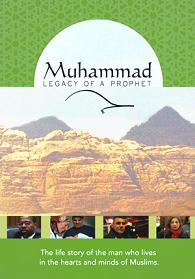
Learn about this year-long initiative offering people of all faiths a FREE book or DVD on the life and legacy of the Prophet Muhammad (pbuh).
Ayloush comments on Adam Gadahn's latest videotape
Inland leaders criticize message
REACTION: A priest and an American-Islamic relations advocate say the tape distorts the religion.
Tuesday, September 5, 2006
By JOHN WELSH and LAURA RICO
The Press-Enterprise
A videotaped message by a former Inland area man now working for al-Qaida urging Americans to convert to Islam was a cheap attempt to manipulate a legitimate political view in this country, an advocate for better American-Islamic relations said Saturday.
Suspected al-Qaida activist Adam Yehiye Gadahn, who was raised on a goat farm in Winchester, delivered a videotaped lecture on Islam and told American military members they are fighting President Bush's "crusades."
Hussam Ayloush, executive director of the Southern California office of the Council on American-Islamic Relations, criticized the message and repeated the group's theme of rejecting violence and extremism.
"He fails to see or to realize that just because two-thirds of Americans disagree with the administration's war in Iraq, it does not mean at all that we would be appealed by al-Qaida's tactics and ideology," Ayloush said about Gadahn.
The almost hourlong video appeared on an Islamic militant Web site Saturday and included footage of al-Qaida's No. 2 leader, Ayman al-Zawahri.
Ayloush, a Corona resident who is familiar with Gadahn's past in the Inland Empire, said in a telephone interview that he watched some of the video clips Saturday. He touched on Gadahn's religious overtones.
"We reject for anyone to drive the name of our religion into their extremist ideology," Ayloush said. "We remind Mr. Gadahn, as well as Mr. Al-Zawahri, that the best way to invite people to Islam is by not practicing an extremist interpretation of it, but rather by leading by the example of the prophet.
"That example is one of tolerance and mercy to mankind," Ayloush said.
After celebrating Mass on Saturday night at St. Catherine of Alexandria, the Rev. Gene Sabio, a native of the Philippines, told a reporter that it is his understanding that terrorism and Islam are incompatible.
"There is Christian and Muslim dialogue going on in many countries," Sabio said outside the Riverside church. "There is Islamic and Christian dialogue in the Philippines. As far as I see it, Christianity and Islam are not against each other.
"Christianity, Islam and Judaism all have the same roots, going all the way back to Abraham," Sabio said. "People need to start talking to each other and see points where they agree, and respect differences."
It is the second time in less than two months that Gadahn has appeared in an al-Qaida video, but his family has said little to the media. They could not be reached for comment Saturday.
In July, Gadahn appeared in a five-minute al-Qaida video. Reached at his 40-acre Winchester farm after that video aired, Gadahn's father, Philip, declined to say much about his son.
"He detached from our family almost 10 years ago," Philip Gadahn said in the short July interview. "And we don't know anything about him now. We haven't heard anything."
Staff writer Imran Vittachi contributed to this report.
Reach John Welsh at 951-368-9474 or jwelsh@PE.com
REACTION: A priest and an American-Islamic relations advocate say the tape distorts the religion.
Tuesday, September 5, 2006
By JOHN WELSH and LAURA RICO
The Press-Enterprise
A videotaped message by a former Inland area man now working for al-Qaida urging Americans to convert to Islam was a cheap attempt to manipulate a legitimate political view in this country, an advocate for better American-Islamic relations said Saturday.
Suspected al-Qaida activist Adam Yehiye Gadahn, who was raised on a goat farm in Winchester, delivered a videotaped lecture on Islam and told American military members they are fighting President Bush's "crusades."
Hussam Ayloush, executive director of the Southern California office of the Council on American-Islamic Relations, criticized the message and repeated the group's theme of rejecting violence and extremism.
"He fails to see or to realize that just because two-thirds of Americans disagree with the administration's war in Iraq, it does not mean at all that we would be appealed by al-Qaida's tactics and ideology," Ayloush said about Gadahn.
The almost hourlong video appeared on an Islamic militant Web site Saturday and included footage of al-Qaida's No. 2 leader, Ayman al-Zawahri.
Ayloush, a Corona resident who is familiar with Gadahn's past in the Inland Empire, said in a telephone interview that he watched some of the video clips Saturday. He touched on Gadahn's religious overtones.
"We reject for anyone to drive the name of our religion into their extremist ideology," Ayloush said. "We remind Mr. Gadahn, as well as Mr. Al-Zawahri, that the best way to invite people to Islam is by not practicing an extremist interpretation of it, but rather by leading by the example of the prophet.
"That example is one of tolerance and mercy to mankind," Ayloush said.
After celebrating Mass on Saturday night at St. Catherine of Alexandria, the Rev. Gene Sabio, a native of the Philippines, told a reporter that it is his understanding that terrorism and Islam are incompatible.
"There is Christian and Muslim dialogue going on in many countries," Sabio said outside the Riverside church. "There is Islamic and Christian dialogue in the Philippines. As far as I see it, Christianity and Islam are not against each other.
"Christianity, Islam and Judaism all have the same roots, going all the way back to Abraham," Sabio said. "People need to start talking to each other and see points where they agree, and respect differences."
It is the second time in less than two months that Gadahn has appeared in an al-Qaida video, but his family has said little to the media. They could not be reached for comment Saturday.
In July, Gadahn appeared in a five-minute al-Qaida video. Reached at his 40-acre Winchester farm after that video aired, Gadahn's father, Philip, declined to say much about his son.
"He detached from our family almost 10 years ago," Philip Gadahn said in the short July interview. "And we don't know anything about him now. We haven't heard anything."
Staff writer Imran Vittachi contributed to this report.
Reach John Welsh at 951-368-9474 or jwelsh@PE.com
Sunday, September 03, 2006
Rosa Brooks: Criticize Israel? You're an Anti-Semite!
How can we have a real discussion about Mideast peace if speaking honestly about Israel is out of bounds?
Rosa Brooks
Los Angeles Times
September 1, 2006
EVER WONDER what it's like to be a pariah?
Publish something sharply critical of Israeli government policies and you'll find out. If you're lucky, you'll merely discover that you've been uninvited to some dinner parties. If you're less lucky, you'll be the subject of an all-out attack by neoconservative pundits and accused of rabid anti-Semitism.
This, at least, is what happened to Ken Roth. Roth — whose father fled Nazi Germany — is executive director of Human Rights Watch, America's largest and most respected human rights organization. (Disclosure: I have worked in the past as a paid consultant for the group.) In July, after the Israeli offensive in Lebanon began, Human Rights Watch did the same thing it has done in Iraq, Afghanistan, Chechnya, Bosnia, East Timor, Sierra Leone, Congo, Uganda and countless other conflict zones around the globe: It sent researchers to monitor the conflict and report on any abuses committed by either side.
It found plenty. On July 18, Human Rights Watch condemned Hezbollah rocket strikes on civilian areas within Israel, calling the strikes "serious violations of international humanitarian law and probable war crimes." So far, so good. You can't lose when you criticize a terrorist organization.
But Roth and Human Rights Watch didn't stop there. As the conflict's death toll spiraled — with most of the casualties Lebanese civilians — Human Rights Watch also criticized Israel for indiscriminate attacks on civilians. Roth noted that the Israeli military appeared to be "treating southern Lebanon as a free-fire zone," and he observed that the failure to take appropriate measures to distinguish between civilians and combatants constitutes a war crime.
The backlash was prompt. Roth and Human Rights Watch soon found themselves accused of unethical behavior, giving aid and comfort to terrorists and anti-Semitism. The conservative New York Sun attacked Roth (who is Jewish) for having a "clear pro-Hezbollah and anti-Israel bias" and accused him of engaging in "the de-legitimization of Judaism, the basis of much anti-Semitism." Neocon commentator David Horowitz called Roth a "reflexive Israel-basher … who, in his zest to pillory Israel at every turn, is little more than an ally of the barbarians." The New Republic piled on, as did Alan Dershowitz, who claimed Human Rights Watch "cooks the books" to make Israel look bad. And writing in the Jewish Exponent, Jonathan Rosenblum accused Roth of resorting to a "slur about primitive Jewish bloodlust."
Anyone familiar with Human Rights Watch — or with Roth — knows this to be lunacy. Human Rights Watch is nonpartisan — it doesn't "take sides" in conflicts. And the notion that Roth is anti-Semitic verges on the insane.
But what's most troubling about the vitriol directed at Roth and his organization isn't that it's savage, unfounded and fantastical. What's most troubling is that it's typical. Typical, that is, of what anyone rash enough to criticize Israel can expect to encounter. In the United States today, it just isn't possible to have a civil debate about Israel, because any serious criticism of its policies is instantly countered with charges of anti-Semitism. Think Israel's tactics against Hezbollah were too heavy-handed, or that Israel hasn't always been wholly fair to the Palestinians, or that the United States should reconsider its unquestioning financial and military support for Israel? Shhh: Don't voice those sentiments unless you want to be called an anti-Semite — and probably a terrorist sympathizer to boot.
How did adopting a reflexively pro-Israel stance come to be a mandatory aspect of American Jewish identity? Skepticism — a willingness to ask tough questions, a refusal to embrace dogma — has always been central to the Jewish intellectual tradition. Ironically, this tradition remains alive in Israel, where respected public figures routinely criticize the government in far harsher terms than those used by Human Rights Watch.
In a climate in which good-faith criticism of Israel is automatically denounced as anti-Semitic, everyone loses. Israeli policies are a major source of discord in the Islamic world, and anger at Israel usually spills over into anger at the U.S., Israel's biggest backer.
With resentment of Israeli policies fueling terrorism and instability both in the Middle East and around the globe, it's past time for Americans to have a serious national debate about how to bring a just peace to the Middle East. But if criticism of Israel is out of bounds, that debate can't occur — and we'll all pay the price.
Back to Human Rights Watch's critics. Why waste time denouncing imaginary anti-Semitism when there's no shortage of the real thing? From politically motivated arrests of Jews in Iran to assaults on Jewish children in Ukraine, there's plenty of genuine anti-Semitism out there — and Human Rights Watch is usually taking the lead in condemning it. So if you're bothered by anti-Semitism — if you're bothered by ideologies that insist that some human lives have less value than others — you could do a whole lot worse than send a check to Human Rights Watch.
--------------------------------------------------------------------------------
rbrooks@latimescolumnists.com
Rosa Brooks
Los Angeles Times
September 1, 2006
EVER WONDER what it's like to be a pariah?
Publish something sharply critical of Israeli government policies and you'll find out. If you're lucky, you'll merely discover that you've been uninvited to some dinner parties. If you're less lucky, you'll be the subject of an all-out attack by neoconservative pundits and accused of rabid anti-Semitism.
This, at least, is what happened to Ken Roth. Roth — whose father fled Nazi Germany — is executive director of Human Rights Watch, America's largest and most respected human rights organization. (Disclosure: I have worked in the past as a paid consultant for the group.) In July, after the Israeli offensive in Lebanon began, Human Rights Watch did the same thing it has done in Iraq, Afghanistan, Chechnya, Bosnia, East Timor, Sierra Leone, Congo, Uganda and countless other conflict zones around the globe: It sent researchers to monitor the conflict and report on any abuses committed by either side.
It found plenty. On July 18, Human Rights Watch condemned Hezbollah rocket strikes on civilian areas within Israel, calling the strikes "serious violations of international humanitarian law and probable war crimes." So far, so good. You can't lose when you criticize a terrorist organization.
But Roth and Human Rights Watch didn't stop there. As the conflict's death toll spiraled — with most of the casualties Lebanese civilians — Human Rights Watch also criticized Israel for indiscriminate attacks on civilians. Roth noted that the Israeli military appeared to be "treating southern Lebanon as a free-fire zone," and he observed that the failure to take appropriate measures to distinguish between civilians and combatants constitutes a war crime.
The backlash was prompt. Roth and Human Rights Watch soon found themselves accused of unethical behavior, giving aid and comfort to terrorists and anti-Semitism. The conservative New York Sun attacked Roth (who is Jewish) for having a "clear pro-Hezbollah and anti-Israel bias" and accused him of engaging in "the de-legitimization of Judaism, the basis of much anti-Semitism." Neocon commentator David Horowitz called Roth a "reflexive Israel-basher … who, in his zest to pillory Israel at every turn, is little more than an ally of the barbarians." The New Republic piled on, as did Alan Dershowitz, who claimed Human Rights Watch "cooks the books" to make Israel look bad. And writing in the Jewish Exponent, Jonathan Rosenblum accused Roth of resorting to a "slur about primitive Jewish bloodlust."
Anyone familiar with Human Rights Watch — or with Roth — knows this to be lunacy. Human Rights Watch is nonpartisan — it doesn't "take sides" in conflicts. And the notion that Roth is anti-Semitic verges on the insane.
But what's most troubling about the vitriol directed at Roth and his organization isn't that it's savage, unfounded and fantastical. What's most troubling is that it's typical. Typical, that is, of what anyone rash enough to criticize Israel can expect to encounter. In the United States today, it just isn't possible to have a civil debate about Israel, because any serious criticism of its policies is instantly countered with charges of anti-Semitism. Think Israel's tactics against Hezbollah were too heavy-handed, or that Israel hasn't always been wholly fair to the Palestinians, or that the United States should reconsider its unquestioning financial and military support for Israel? Shhh: Don't voice those sentiments unless you want to be called an anti-Semite — and probably a terrorist sympathizer to boot.
How did adopting a reflexively pro-Israel stance come to be a mandatory aspect of American Jewish identity? Skepticism — a willingness to ask tough questions, a refusal to embrace dogma — has always been central to the Jewish intellectual tradition. Ironically, this tradition remains alive in Israel, where respected public figures routinely criticize the government in far harsher terms than those used by Human Rights Watch.
In a climate in which good-faith criticism of Israel is automatically denounced as anti-Semitic, everyone loses. Israeli policies are a major source of discord in the Islamic world, and anger at Israel usually spills over into anger at the U.S., Israel's biggest backer.
With resentment of Israeli policies fueling terrorism and instability both in the Middle East and around the globe, it's past time for Americans to have a serious national debate about how to bring a just peace to the Middle East. But if criticism of Israel is out of bounds, that debate can't occur — and we'll all pay the price.
Back to Human Rights Watch's critics. Why waste time denouncing imaginary anti-Semitism when there's no shortage of the real thing? From politically motivated arrests of Jews in Iran to assaults on Jewish children in Ukraine, there's plenty of genuine anti-Semitism out there — and Human Rights Watch is usually taking the lead in condemning it. So if you're bothered by anti-Semitism — if you're bothered by ideologies that insist that some human lives have less value than others — you could do a whole lot worse than send a check to Human Rights Watch.
--------------------------------------------------------------------------------
rbrooks@latimescolumnists.com
Saturday, September 02, 2006
Leaders meet to promote peace
LBPD creates a forum among religions.
By Tracy Manzer, Staff writer
Long Beach Press Telegram
http://www.presstelegram.com/search/ci_4276765
LONG BEACH - Close to 20 area religious leaders representing the Jewish, Muslim and Christian faiths met earlier this week to discuss ways in which the groups can support one another and promote peace.
A horrific shooting at the Jewish Federation Offices in Seattle in July that resulted in one death and five injured, as well as recent attacks at San Diego mosques, prompted leaders in the Long Beach Police Department to call the meeting, said Lt. Joe Levy.
The forum was hosted by the Long Beach Police Department and sponsored by the National Conference for Community and Justice of Southern California, the South Coast Interfaith Council, the City of Long Beach Human Dignity Program and the police department, Levy said.
"We've found that whenever we have had incidents like those in Seattle or San Diego, it generates a lot of fear in the Jewish community and the Muslim community," the lieutenant said. "We wanted to take a proactive stance on the issue. ... We thought the best way to calm any fears and to have all the communities work together to ensure their safety was to hold the meeting."
Members of the NCCJ and police department chose about 20 leaders from among the three religious communities, but hope to invite more clergy in future sessions, Levy said.
The first meeting was dedicated to establishing communication among the various faiths and working out a plan to maintain a safe community for members of all the religions. They also discussed ways to demonstrate support for one another, Levy said.
"At the end, the consensus seemed to be that we need to continue to open the lines of communication and improve dialogue," Levy said. "By doing that, we can come up with ways to support one another and ensure safety for all faiths in our community."
Those who attended the first meeting described it as a good first step and said they looked forward to future events.
"My hope is that six months from now, there is going to be this really dynamic faith-based conversation taking place where we're learning more about each others' faith and learning about the commonalities that we do share," said Rabbi Mark Goldfarb of Temple Israel.
The rabbi and others agreed that while conflicts in other areas of the world have made it difficult at times for members of the three religions to come together, Tuesday's meeting was free of any political agendas.
Having the session at the police department made it easier, most said, because it was neutral ground for all involved.
Those who participated all said the fact that the meetings were called prior to any local tragedy or violence was an important and positive sign.
"The unique aspect of this meeting, from our point of view, is that it did not come from a negative reaction but rather as a proactive approach to strengthening relationships among people of all faith groups in Long Beach," said Hussam Ayloush, the executive director of the Southern California office of the Council on American-Islamic Relations.
"We are working together to eliminate potential misperceptions, disagreements or maybe the impact of the current atmosphere of war, ... and we're looking at a preventative measure to ensure that the conflict overseas does not spill over into our local communities," Ayloush said.
It is not known when the group will convene again, but all those interviewed by the Press-Telegram pledged to continue with the inter-faith dialogue.
"It took a while to get everybody's schedule open for the first meeting, but it was definitely worthwhile," Ayloush said. "Everybody came out feeling very positive, energized and hopeful. Many of us at the end wondered, `Why did it take so long to come up with such a great idea?"'
Tracy Manzer can be reached at tracy.manzer@presstele
gram.com or (562) 499-1261.
By Tracy Manzer, Staff writer
Long Beach Press Telegram
http://www.presstelegram.com/search/ci_4276765
LONG BEACH - Close to 20 area religious leaders representing the Jewish, Muslim and Christian faiths met earlier this week to discuss ways in which the groups can support one another and promote peace.
A horrific shooting at the Jewish Federation Offices in Seattle in July that resulted in one death and five injured, as well as recent attacks at San Diego mosques, prompted leaders in the Long Beach Police Department to call the meeting, said Lt. Joe Levy.
The forum was hosted by the Long Beach Police Department and sponsored by the National Conference for Community and Justice of Southern California, the South Coast Interfaith Council, the City of Long Beach Human Dignity Program and the police department, Levy said.
"We've found that whenever we have had incidents like those in Seattle or San Diego, it generates a lot of fear in the Jewish community and the Muslim community," the lieutenant said. "We wanted to take a proactive stance on the issue. ... We thought the best way to calm any fears and to have all the communities work together to ensure their safety was to hold the meeting."
Members of the NCCJ and police department chose about 20 leaders from among the three religious communities, but hope to invite more clergy in future sessions, Levy said.
The first meeting was dedicated to establishing communication among the various faiths and working out a plan to maintain a safe community for members of all the religions. They also discussed ways to demonstrate support for one another, Levy said.
"At the end, the consensus seemed to be that we need to continue to open the lines of communication and improve dialogue," Levy said. "By doing that, we can come up with ways to support one another and ensure safety for all faiths in our community."
Those who attended the first meeting described it as a good first step and said they looked forward to future events.
"My hope is that six months from now, there is going to be this really dynamic faith-based conversation taking place where we're learning more about each others' faith and learning about the commonalities that we do share," said Rabbi Mark Goldfarb of Temple Israel.
The rabbi and others agreed that while conflicts in other areas of the world have made it difficult at times for members of the three religions to come together, Tuesday's meeting was free of any political agendas.
Having the session at the police department made it easier, most said, because it was neutral ground for all involved.
Those who participated all said the fact that the meetings were called prior to any local tragedy or violence was an important and positive sign.
"The unique aspect of this meeting, from our point of view, is that it did not come from a negative reaction but rather as a proactive approach to strengthening relationships among people of all faith groups in Long Beach," said Hussam Ayloush, the executive director of the Southern California office of the Council on American-Islamic Relations.
"We are working together to eliminate potential misperceptions, disagreements or maybe the impact of the current atmosphere of war, ... and we're looking at a preventative measure to ensure that the conflict overseas does not spill over into our local communities," Ayloush said.
It is not known when the group will convene again, but all those interviewed by the Press-Telegram pledged to continue with the inter-faith dialogue.
"It took a while to get everybody's schedule open for the first meeting, but it was definitely worthwhile," Ayloush said. "Everybody came out feeling very positive, energized and hopeful. Many of us at the end wondered, `Why did it take so long to come up with such a great idea?"'
Tracy Manzer can be reached at tracy.manzer@presstele
gram.com or (562) 499-1261.
Friday, September 01, 2006




CAIR Launches New Brand Identity and Logo
Brand identity stresses openness, professionalism and the pursuit of mutual understanding and justice
(CHICAGO, IL, 9/1/06) - The Council on American-Islamic Relations (CAIR) today announced the launch of a new brand identity and logo. The new identity focuses on openness, professionalism and the pursuit of mutual understanding and justice.
CAIR made its announcement at the convention of the Islamic Society of North America (ISNA) in Chicago, North America's largest annual gathering of American Muslims.
In conjunction with the launch of CAIR's new brand identity, the Washington-based Islamic civil rights and advocacy group is also releasing the following documents for immediate download from www.cair.com:
CAIR National Annual Report - 2004/2005 (the 2005/2006 annual report will be available in November)
Fact sheet about CAIR
Testimonials in support of CAIR from elected government officials nationwide
In a letter to the American Muslim community announcing the new brand, CAIR Board Chairman Parvez Ahmed stated that "After 12 years of dedicated service to the community, we are reaffirming our core values and recommitting ourselves to three central aspects of CAIR's mission - enhancing understanding of Islam, protecting civil liberties and empowering American Muslims."
He also wrote about the need to transform CAIR in ways that better reflect the group's core commitment to justice, education, diversity, and dialogue.
Ahmed concluded his letter by stating: "CAIR is your organization and it is our privilege and honor to serve you and to promote a better America."
The entire text of the letter is available at www.cair.com/brandletter
(CHICAGO, IL, 9/1/06) - The Council on American-Islamic Relations (CAIR) today announced the launch of a new brand identity and logo. The new identity focuses on openness, professionalism and the pursuit of mutual understanding and justice.
CAIR made its announcement at the convention of the Islamic Society of North America (ISNA) in Chicago, North America's largest annual gathering of American Muslims.
In conjunction with the launch of CAIR's new brand identity, the Washington-based Islamic civil rights and advocacy group is also releasing the following documents for immediate download from www.cair.com:
CAIR National Annual Report - 2004/2005 (the 2005/2006 annual report will be available in November)
Fact sheet about CAIR
Testimonials in support of CAIR from elected government officials nationwide
In a letter to the American Muslim community announcing the new brand, CAIR Board Chairman Parvez Ahmed stated that "After 12 years of dedicated service to the community, we are reaffirming our core values and recommitting ourselves to three central aspects of CAIR's mission - enhancing understanding of Islam, protecting civil liberties and empowering American Muslims."
He also wrote about the need to transform CAIR in ways that better reflect the group's core commitment to justice, education, diversity, and dialogue.
Ahmed concluded his letter by stating: "CAIR is your organization and it is our privilege and honor to serve you and to promote a better America."
The entire text of the letter is available at www.cair.com/brandletter
Subscribe to:
Posts (Atom)